
When most people think of music production, they picture laptops, DAWs, and endless plugins. It’s true—today’s software has made music creation more accessible than ever. With a few clicks, you can load virtual instruments, design beats, and polish mixes that sound studio-ready.
But here’s the thing: software alone doesn’t make great music. Creativity does. Behind every iconic track is an artist or producer who thought differently, took risks, and shaped sound into something meaningful.
That’s why the best music production courses don’t just teach you software—they teach you how to think creatively with it.
1. Software Is a Tool, Not the Artist
Plugins and DAWs are like brushes to a painter. They provide endless options, but they don’t decide what to create. That’s the artist’s job.
Many beginners get caught up in chasing the “best” plugin or the “perfect” setup. But great producers know it’s not about having every tool—it’s about knowing how to use what you have. Some of the most memorable songs were made with basic gear and limited software, powered by bold creative ideas.
This is why in any solid sound engineering course, students learn not just the “how” of software, but the “why” behind every decision. The focus is always on intent, not just buttons.
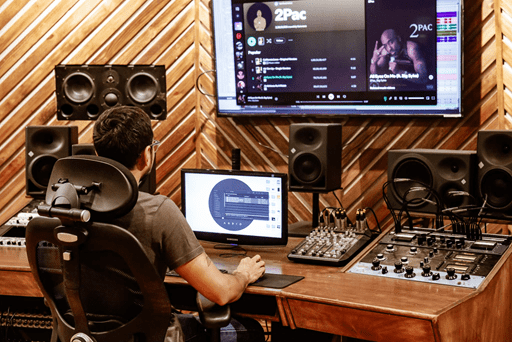
2. Emotion Over Perfection
Music sticks with us because of how it makes us feel. A track can have the cleanest mix in the world, but if it doesn’t move the listener, it falls flat.
Creativity drives emotion. It shapes the choice of chord progressions, the energy of the rhythm, and the way vocals connect with people. Music production is more than arranging sounds—it’s about capturing something human.
That’s also why professional training goes beyond software tutorials. A music production course helps students understand how to translate feelings into sound, something no plugin can do on its own.
3. Limitations Spark Innovation
Ironically, too many options can block creativity. When every sound and effect is available instantly, it’s easy to get stuck tweaking instead of finishing.
Great producers often embrace limitations. Working with fewer tools forces you to think outside the box and make bold creative decisions. That’s why even in a world of endless software, minimal setups often lead to the most unique sounds.
Sound engineers know this better than anyone. In fact, one of the first lessons in a sound engineering course is how to problem-solve with what you have, not just collect more gear.
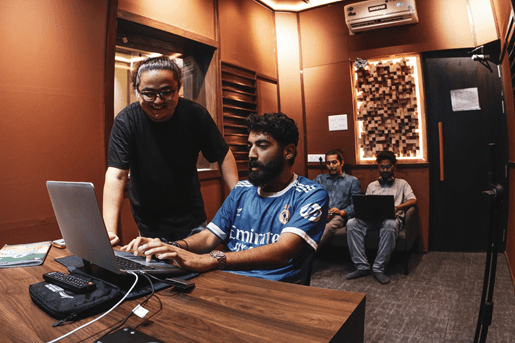
4. Technology Changes, Creativity Stays
Every decade brings new tools—from analog tape machines to digital workstations to AI-assisted composition. But one thing has never changed: creativity.
Software will continue to evolve, but the producers who stand out will always be the ones who know how to turn ideas into art. Music production is ultimately about imagination, storytelling, and connection—not just technology.
The Takeaway
Yes, software is powerful. It makes music creation faster, easier, and more accessible than ever. But it’s not a replacement for creativity.
Whether you’re just starting out or already deep into your music journey, remember: the best plugins and the most advanced DAWs are only as good as the ideas behind them. That’s why the most valuable thing you can invest in—beyond software—is your creativity.
And if you’re serious about growing, a music production course or a sound engineering course at Gray Spark Academy can help you unlock that creativity by giving you both the technical tools and the mindset to use them well.
In the end, music production isn’t about the tools you own—it’s about the music you create.
 Musiconic
Leave a comment